How to Choose the Best Siding Material for Washington Weather

If you’ve lived in Washington long enough, you’ve seen it happen. A home that looks fine from the street starts showing soft spots near the base. Paint bubbles. Trim darkens. Maybe there’s a musty smell after a long stretch of rain. 

These aren’t cosmetic issues. They’re early signs that siding is struggling to keep moisture out.

That’s not surprising in this part of the country. Many areas of Western Washington experience 150 or more days of measurable rainfall each year, along with long periods of damp, overcast weather. 

Add in coastal winds, seasonal freezes, and temperature swings, and siding takes a beating that homes in drier climates never face.

The best siding material in Washington handles moisture, resists long-term wear, and protects your home’s structure year after year. The right decision prevents costly repairs, improves energy efficiency, and extends the life of your home’s exterior, roofing, and other materials.

In this guide, we’ll break down what Washington homeowners need to know before choosing new siding, including:

  • How Washington’s climate affects siding performance
  • Why material choice matters more here than in drier regions
  • What makes weather-resistant siding effective
  • How installation impacts durability and energ efficiency
  • Signs it may be time to replace or upgrade your siding
  • What to look for when hiring siding contractors in Washington

Washington Climate Overview

best siding material for washington climate

Washington’s climate creates very different demands on exterior materials than many other parts of the country. 

Between frequent rain, coastal exposure, and seasonal temperature swings, siding must handle more stress year-round.

Heavy Rain and Constant Moisture

Much of Washington, especially the western half of the state, experiences long stretches of rain and damp weather. In cities like Seattle and Olympia, homes can see precipitation on nearly half the days of the year. That constant exposure limits how often siding can fully dry out.

When moisture lingers, it can work its way behind siding panels and into wall systems. Over time, this leads to rot, mold growth, and hidden structural damage, especially when materials are not designed to handle sustained damp conditions.

Coastal Winds and Salt Exposure

Homes closer to the coast face additional challenges. Strong winds can drive rain into seams and joints, while salt in the air accelerates corrosion on certain materials and fasteners.

Without proper material selection and installation, siding in these areas tends to wear faster and show signs of deterioration much sooner. Durability and moisture resistance become especially important in these environments.

Seasonal Temperature Swings

Inland and eastern parts of Washington experience wider temperature swings throughout the year. Freezing winters, snow buildup, and freeze-thaw cycles cause siding materials to expand and contract repeatedly.

Over time, this movement can lead to cracking, warping, or loose panels if the siding is not designed to handle temperature changes. Materials that perform well in mild climates often struggle under these conditions.


Why Climate Matters for Siding Performance

Across the state, moisture, wind, and temperature shifts work together to stress exterior materials. Siding that performs well in dry regions may fail prematurely in Washington’s climate.

That’s why homes here require siding that resists moisture, maintains structural stability, and holds up through seasonal changes. Choosing the right material from the start helps prevent damage, reduce maintenance, and protect the home for years to come.


Why Siding Choice Matters in Washington

hardie board siding material

In Washington, siding does far more than define a home’s appearance. It acts as a protective barrier against moisture, temperature changes, and air infiltration. 

When the wrong material is used, or when siding isn’t designed for this climate, problems often develop quietly and worsen over time.

Protection Against Moisture Damage

Moisture is the biggest threat to homes in Washington. Rain, damp air, and slow drying times increase the risk of water working its way behind siding. Once moisture reaches the wall system, it can lead to wood rot, mold growth, and compromised framing.

High-quality, weather-resistant siding helps shed water efficiently and prevents moisture from becoming trapped. This is especially important in areas that see long rainy seasons or limited sun exposure.

Impact on Energy Efficiency and Comfort

Siding also plays an important role in how well a home holds heat in the winter and stays cool in the summer. When siding is properly installed with moisture barriers and insulation, it helps reduce drafts and limits heat loss.

Poor siding choices can allow air leakage, forcing heating and cooling systems to work harder. Over time, this leads to higher energy bills and less consistent indoor comfort, particularly during Washington’s colder months.

Common Problems Caused by Poor Siding Choices

When siding isn’t suited for the climate or is installed incorrectly, several issues tend to appear:

  • Rot and deterioration of underlying materials
  • Mold and mildew growth from trapped moisture
  • Warping or cracking due to temperature changes
  • Higher heating and cooling costs
  • Premature replacement or frequent repairs

These problems often start small but become expensive if left unaddressed.

Long-Term Cost Considerations

While budget is always a factor, choosing siding based solely on upfront cost can be misleading. Materials that struggle in wet or variable climates often require more maintenance, repairs, or early replacement.

Investing in durable, weather-resistant siding typically leads to lower lifetime costs. Fewer repairs, better energy performance, and longer service life make the initial investment worthwhile for most Washington homeowners.


Overview of Common Siding Materials

Choosing the right siding in Washington comes down to how well a material handles moisture, temperature changes, and long-term exposure. 

Below is a streamlined look at the most common options and how they perform in this climate.

Fiber Cement Siding

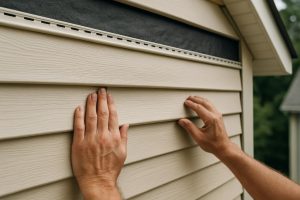
vinyl siding material

Fiber cement is one of the best-performing materials for Washington homes. It resists moisture, won’t rot, and holds up well against temperature swings. It also maintains its shape over time and requires minimal upkeep.

With proper installation, fiber cement siding can last 30 to 50 years, making it a strong long-term investment for wet climates.

Vinyl Siding

Vinyl remains a popular option due to its affordability and low maintenance. It resists moisture and doesn’t rot, but it does expand and contract with temperature changes.

When installed correctly, vinyl performs well. Poor installation, however, can lead to warping or gaps. Lifespan typically ranges from 20 to 30 years.

Engineered Wood Siding

Engineered wood offers the look of real wood with improved moisture resistance. It performs better than natural wood in damp conditions but still requires proper sealing and maintenance.

When cared for, it provides solid performance and visual appeal at a mid-range price point.

Natural Wood Siding

Wood siding delivers a classic appearance but requires the most upkeep in Washington’s climate. Without regular painting or sealing, it is prone to rot and moisture damage.

This option works best for homeowners committed to ongoing maintenance and aesthetic priorities.

Metal Siding (Steel or Aluminum)

Metal siding stands out for durability and weather resistance. It performs well in high wind and coastal environments and requires minimal maintenance.

Steel offers strength, while aluminum resists corrosion in salty air. Both options provide long lifespans and strong protection.


Importance of Proper Installation

siding installation services by Comfort IQ

Even the best siding materials can fail if they’re not installed correctly. In Washington’s wet climate, small mistakes during installation often lead to big problems later. Water intrusion, trapped moisture, and poor ventilation are some of the most common causes of premature siding failure.

Proper installation involves managing how water moves around the home, allowing materials to expand and contract, and sealing vulnerable areas that are exposed to rain and wind. When any of these steps are skipped or rushed, siding performance drops quickly.

That’s why working with experienced siding contractors matters. Professionals who understand Washington’s climate know how to install siding in a way that protects the structure beneath it, not just the exterior appearance.

Key elements of proper siding installation include:

  • Correct use of flashing around windows, doors, and seams
  • Installation of weather-resistant barriers to prevent moisture intrusion
  • Proper spacing to allow for expansion and contraction
  • Sealing all penetrations and transition points
  • Aligning siding installation with local climate and building codes

When these details are handled correctly, siding lasts longer, performs better, and helps protect the home from costly moisture-related damage.


Cost, Lifespan, and Long-Term Value

When choosing siding, it’s easy to focus on upfront cost. But in Washington’s climate, that number rarely tells the full story. 

Materials that come with a lower initial price often require more frequent maintenance or replacement, especially when exposed to constant moisture and temperature changes. Siding that holds up well in dry regions may wear down faster here, leading to unexpected repair costs.

Over time, the savings from cheaper materials can disappear as maintenance and replacement needs add up.

How Lifespan Varies by Material

Some siding materials handle moisture and temperature shifts with minimal impact, while others require ongoing care to maintain their performance. Installation quality also plays a major role in how long siding lasts, especially in areas that experience frequent rain or freezing conditions.

In Washington, materials that resist water absorption and maintain their shape through seasonal changes tend to provide the best long-term results. Choosing siding with a proven track record in wet climates can significantly extend its usable life.

Looking at Value Over Time

The real value of siding comes from how well it protects the home over the years. Durable materials help reduce maintenance needs, limit energy loss, and prevent moisture-related damage that can be costly to fix.

Rather than focusing only on the initial investment, homeowners are often better served by considering how a siding choice performs over time. A well-chosen material, properly installed, can provide decades of protection and peace of mind in Washington’s demanding climate.


Signs It’s Time to Replace or Upgrade Your Siding

Siding problems often start small and worsen over time, especially in Washington’s damp climate. Many homeowners don’t realize there’s an issue until moisture has already made its way behind the walls. 

a photo of a damaged siding of a house

Visible Damage or Soft Spots

Cracked, warped, or buckling siding is one of the clearest signs that materials are no longer performing as they should. Soft spots, especially near the bottom of walls or around windows, can indicate moisture damage beneath the surface.

Even minor-looking damage can allow water to enter, leading to rot or mold that spreads beyond the visible area.

Peeling Paint or Recurring Moisture Stains

When paint starts peeling or staining keeps reappearing, it often points to trapped moisture. In Washington’s climate, this is a common sign that siding is no longer keeping water out effectively.

Repeated repainting without addressing the underlying issue usually only delays more serious repairs.

Rising Energy Bills or Drafts

Older or failing siding can allow air to move freely in and out of the home. If rooms feel colder in winter, warmer in summer, or energy bills are climbing without a clear reason, siding performance may be part of the problem.

Properly installed, weather-resistant siding helps stabilize indoor temperatures and improve overall insulation efficiency.

Mold or Mildew Growth

Mold or mildew on exterior walls is more than a cosmetic concern. It often signals excess moisture buildup, especially in shaded or poorly ventilated areas.

Left unaddressed, moisture issues can spread behind the siding and impact insulation or framing.

Siding That’s Reaching the End of Its Lifespan

Even well-installed siding doesn’t last forever. If your home’s exterior is approaching the end of its expected lifespan, it may be time to consider an upgrade before problems begin.

Addressing siding issues early can prevent larger repairs and help maintain your home’s value and protection.


Making the Right Choice for Your Home

With frequent rain, shifting temperatures, and long periods of moisture, siding has to perform consistently to protect your home and maintain comfort. The right choice helps prevent long-term damage and reduces the need for ongoing repairs.

That’s where experience matters. Comfort IQ Roofing Contractor approaches siding with a focus on durability, proper installation, and long-term performance in Washington’s climate. Our team understands how moisture behaves, how materials respond over time, and what it takes to install siding the right way so it holds up season after season.If you’re considering new siding or want a professional assessment of your current exterior, a siding inspection can help clarify your options. We offer honest guidance and practical recommendations to help homeowners choose solutions built for Washington weather. Contact us now!

Keep Reading