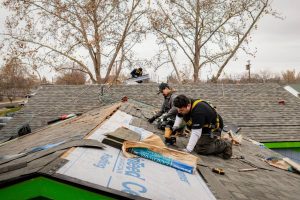
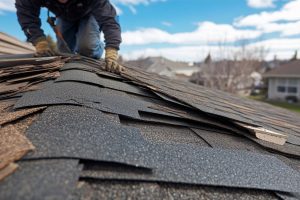
A new roof installation will change the way your home looks, feels, and performs throughout the seasons, but only if the process runs smoothly from the beginning. How you prepare your house and yard before the roofing crew arrives will have a huge impact on how well the property is protected during the work.
With a little planning and preventative maintenance, Tri-Cities and Eastern Washington homeowners can avoid future headaches while keeping belongings safe from dust and debris. Plus, it’ll help the roofing team finish faster, with fewer surprises along the way.
Treat roof prep like a mini project all its own (because it basically is!). Besides, your level of dedication and thoroughness will expedite a long process, so you can get back to your day-to-day with all the advantages of a brand-new roof replacement.
Exterior Preparation for Roof Replacement or Repairs
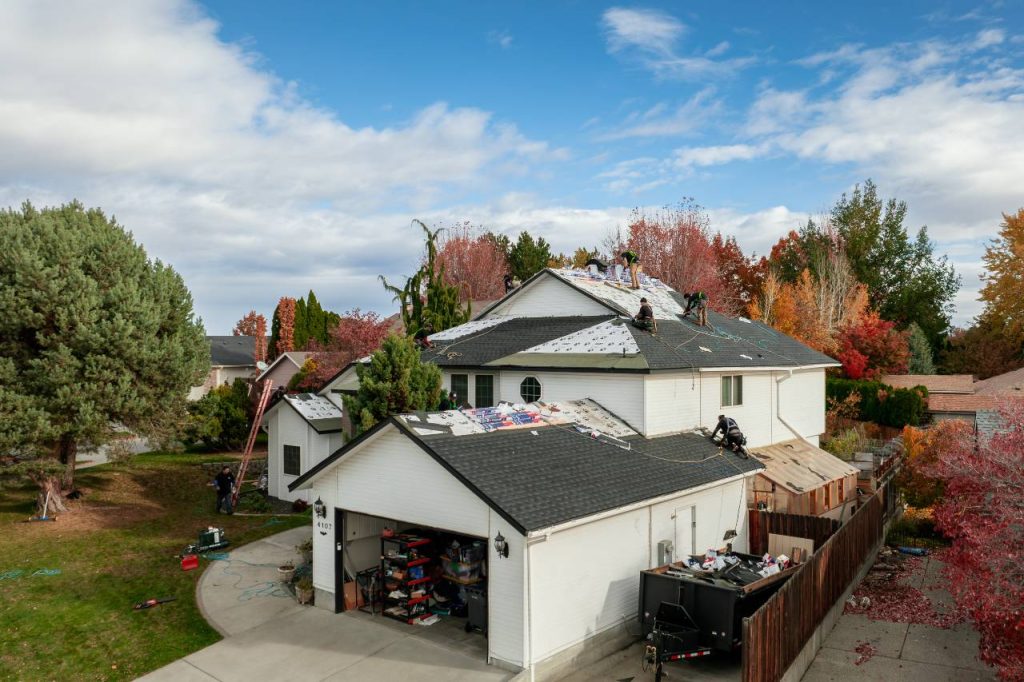
Imagine yourself as one of the crew members inspecting your home for roof repair or a new roof installation. You know the driveway needs to be open and clear for all the materials, tools, trailers, and vehicles. There will be several access points for ladders and a general staging area.
From this moment forward, treat your home like an active work zone and start clearing away anything that might slow the crew down. If you can park your vehicles curbside or roll into the garage, do so, and make sure there’s nothing else in the driveway that would serve as an obstacle.
- Protect your landscaping and delicate plants near the house with breathable tarps, sheets, or temporary barriers.
- Secure or store any loose outdoor items like trash cans, toys, garden tools, and lawn ornaments so they don’t become tripping hazards or get damaged.
- Make your roof as accessible as possible by unlocking your gates and trimming back bushes or low-hanging tree branches.
- Walk through the yard and along the perimeter. Take notes on uneven ground, loose gravel, or other hazards, and point these out to the crew when they arrive.
At this point, all you’re doing is making the crew’s lives a little easier, so they can get in and out, access their tools, and move about the yard without being harassed by garden gnomes.
Interior Preparation
You might be surprised how much interior preparation matters for a primarily exterior construction project. It’s not extensive, but there are a few areas worth your attention and special considerations.
Removing the old roof or making general roof repairs can create vibrations capable of toppling items in an upstairs room. If you have a second story, it’s a good idea to take a slow walk through the rooms and check for fragile items on walls, shelves, or mantles.
Dust drift is a thing as well, even if you stay on top of the dusting in your home. Pull heavy furniture a few inches away from the walls and cover them with a tarp or sheets to keep the dust off. If you have an accessible attic, cover any stored boxes, holiday decorations, or important keepsakes.
Also, if it’s a roof repair job, consider where the crew may open up the roof and remove objects beneath those spots. Since a new roof installation or repair is bound to be fairly noisy, don’t plan to take naps, work-from-home calls, or any other sensitive activities during working hours. Set up a safe, quiet area away from the primary work zone where pets or kids can stay during the day.
Be sure to keep your pets away from the work zone and point out no-go areas to the kids. Lastly, make sure pathways from the main entrances and key rooms throughout the home remain clear in case the contractor has to walk through and check ceilings, attic access, or ventilation.
Attic Preparation
If it’s been a little while since you’ve visited your attic, prepare yourself for some dust and exposed insulation, unless your attic is designed like a guest room. Make sure you have a dust mask on if you have to move anything that’s been sitting for a long time.
- Do a quick walkthrough and identify areas directly under the existing roof where nails, granules, and small debris are most likely to fall during the “tear-off and installation” process. Pay close attention to areas near vents, valleys, and skylights.
- Group stored items into “must protect” and “okay-to-dust” labels and shift them accordingly, covering them as needed.
- If you have exposed insulation, try to avoid disturbing it and lay some lightweight plastic over the top in areas where you anticipate high traffic overhead.
- Clear a safe path from the attic access to any areas the roofing contractor may need to inspect, like ventilation, baffles, and intake/exhaust points.
- Make sure the attic access itself (ladder, pull-down stairs, hatch, etc.) operates smoothly so that residential roofing services can enter and exit quickly without any regrets.
Most of the things are fairly common sense. Again, place yourself in the contractor’s shoes and consider how the work will be done. In fact, if you can speak to the contractor beforehand, it’s a good idea to do so and gain some insights into the comings and goings and the overall process.

Neighborhood/Logistical Prep
Being a thoughtful neighbor will help your residential roofing services crew work more efficiently and run a smooth operation for you and your neighbors. Let your neighbors know what the deal is and when the roof repair or roof installation will begin.
A quick heads-up to neighbors about the noise expectations, parking, and delivery trucks, along with a simple plan for where vehicles and dumpsters will sit, can prevent awkward conflicts. If you coordinate start times, parking arrangements, and any HOA guidelines with your contractor, the operation will run much more smoothly.
Comfort IQ can walk you through the parking, scheduling, and preparation process before installation/repair, then handle the noisy, messy parts so you and your neighbors can get back to normal faster. When you’re ready to plan your project, reach out to Comfort IQ for a straightforward inspection and a quote based on your home and block.
Safety Considerations When Replacing an Old Roof
Did you know that roofing contractors account for about 26% of all fatal falls, slips, and trips in the construction industry?
Safety before, during, and after a roof repair or roof installation is largely about anticipation. Roofing work changes the flow of your property for several days, sometimes longer, and staying aware of those changes helps prevent avoidable accidents.
Maintain Clear Access Around the Home
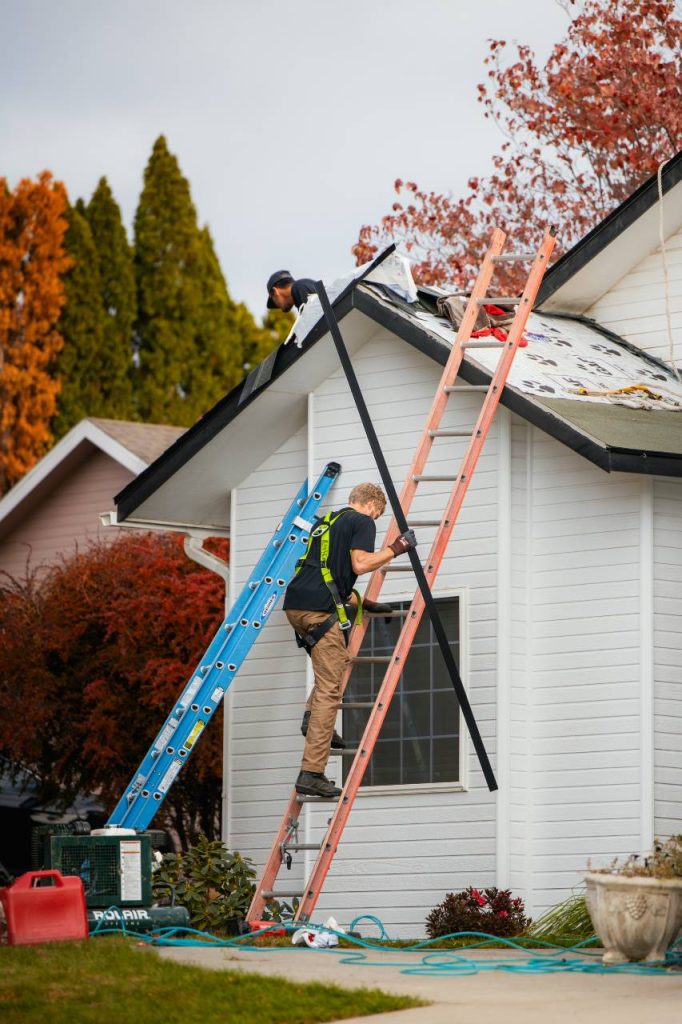
Throughout the project, keep the yard and walkways clear and unobstructed. Anything beneath active roof work areas should be moved well in advance. This reduces the risk of falling debris causing damage or injury and gives the crew the space they need to work efficiently.
Treat Work Equipment as Off-Limits
Ladders, extension cords, compressors, and tools will likely be moved multiple times throughout the day. Assume these areas are off-limits, even if they appear temporarily unused.
If you need to cross a work zone or move around equipment, flag down a crew member rather than stepping through on your own.
Create Firm No-Go Zones for Kids and Pets
Children and pets should be kept well away from roofing activity. Use closed doors, baby gates, crates, or temporary barriers to block access to driveways, staging areas, and sections of the yard where work is taking place. Roofing sites can change quickly, and boundaries help prevent split-second accidents.
Avoid Moving Materials or Protective Setups
Tarps, dumpsters, stacked materials, and magnet sweep tools should be left exactly where the roofing contractor places them. Moving or adjusting these items can create trip hazards or slow the crew down. Something as simple as relocating a magnet sweeper can cause delays when workers rely on it being in a specific spot.
Plan Vehicle Movement Carefully
Be mindful of how and when you come and go while the crew is on site. Backing vehicles through tight spaces can be challenging when trailers, dumpsters, and work trucks are parked nearby. If visibility is limited or access feels tight, ask the foreman or a crew member to spot you.
Stay Aware While Work Is Ongoing
None of these considerations are complicated, but distractions make them easy to overlook. Between your own daily routine and the activity around your home, it’s important to stay alert when passing through work areas or interacting with the crew. A little situational awareness goes a long way toward keeping everyone safe.
These are simple, straightforward considerations, but it’s easy to get distracted with your own work and the work of the crew. Make sure you keep your situational awareness on the up and up when interacting with the crew or passing through.
What to Expect the Day of Your New Roof Installation
Whether you’re a homeowner, real estate investor, or just maintaining an older home in the family, the work day will be the same, and it starts early. Expect plenty of noisy phases throughout the process, and a thorough cleanup phase at the end of each day, and especially after the roof repair or installation work is complete.
Most roofing crews will arrive around 7 am to 9 am to take advantage of full daylight and finish the tear-off or dry-in before any afternoon weather rolls in. The foreman will typically knock or call to confirm details, then trucks, trailers, and dumpsters will roll in and set up shop.

Once the staging process is finished, the crew will protect the landscaping and lay out tarps where any debris is anticipated.
With a full tear-off, the old asphalt shingles, underlayment, and damaged roofing materials are stripped down to the roof deck, followed by a wood, ventilation, and flashing inspection. Tear-off days are generally loud and messy, but it allows the crew to fix hidden issues that are important for long-term performance.
With an overlay, new shingles are installed over existing ones when conditions are appropriate. It can shorten the installation timeline, and it definitely reduces debris.
At the end of the day, the crew will clean up, gathering torn-off material and loading old shingles into dumpsters or trailers. They’ll also run a magnet sweep over the driveway, walkway, and around the home to pick up any nails, fasteners, roof tacks, etc.
On the final day, post-cleanup, the foreman or project manager will do a visual inspection of the roof, confirm proper installation, flashing details, and ventilation, and check for anything the crew may have missed. You may be invited to walk the property as well, which is a great time to ask questions and learn about the warranty information or any additional follow-up.
After Installation
As mentioned above, this is the time for questions about warranty information, walk-throughs, and any other questions you have about the process and what to expect. Be sure to walk the property with the foreman and take in the new roof installation or repair.
Make note of any touch-ups or gutter cleaning that needs to be done, either as a DIY roofing project or by a professional. Collect your warranty, confirm future maintenance, and set a reminder to schedule future inspections so your new roof continues to protect your home for years to come.
Take the First Step Toward a Safer, Smoother Roof Project
Prepping your home for a new roof installation or a roof repair takes a little extra time out of your day, but it goes a long way towards a smoother, safer project for everyone. Plus, it helps confirm the protection of your valuables, inside and out, and the protection of the crew handling the home improvement project.
It also helps the crew focus on the quality of workmanship instead of navigating obstacles, tripping over stray toys, or dealing with pets who found their way out the back door and directly under workers’ feet.
In short, it’s about the safety and security of your family and the team, along with the assurance of long-term value from a distraction-free, professional crew.
Ready for a new roof repair? Contact Comfort IQ for a professional inspection and a quote from a roofing company you can trust. We offer free consultations to get the ball rolling on all kinds of roofing installation projects.