Your roof ages faster than your siding, your driveway, and probably your patience. Between scorching summers, windstorms that blow dust in every direction, and winters that swing from mild to icy overnight, roofs in Kennewick, Pasco, and Richland take a beating few other regions dish out.
It’s no wonder homeowners in the Tri-Cities often wonder how long their roofs can realistically last in a climate like this before they need a roof replacement. And they’re not the only ones thinking about it.
A 2024 homeowner-roofing industry survey found that 63% of roofing contractors expect residential roofing demand to increase and 67% expect roofing sales to rise through 2027. More homeowners are prioritizing stronger, longer-lasting roofing systems because weather isn’t getting any easier on their homes.
This article breaks down everything you need to know, including:
- The biggest climate challenges roofs face in the Tri-Cities
- The key factors that determine roof lifespan
- How asphalt shingles, designer shingles, and metal roofing compare
- Which roofing materials perform best in heat, wind, and dust
- Installation practices that extend and protect roof life in eastern Washington
- How to balance cost, the most durable roofing materials, and long-term value of the best roofing material
- Why Comfort IQ is trusted for long-lasting roofing in the Tri-Cities
Local Climate Challenges in the Tri-Cities

The Tri-Cities sit in one of the most weather-intense pockets of eastern Washington. Summers routinely climb past 100°F, with long stretches of direct sun that pound roofs day after day. UV exposure is one of the fastest ways roofing materials break down and shorten life expectancy.
That’s especially true for asphalt shingles, which can dry out, curl, or lose granules faster when baked for months at a time.
Then there’s the wind. Seasonal gusts sweep through the Columbia Basin, kicking up fine desert dust that grinds into roofing surfaces and settles into vents and valleys. Over time, this constant abrasion can wear down protective coatings and stress fasteners. Homes on open lots feel this the most.
Winters add a different kind of stress. While the Tri-Cities don’t see heavy snow every year, cold snaps and freeze-thaw cycles push roofing materials through rapid expansion and contraction. That temperature swing, combined with occasional ice buildup, can expose weak points in shingles, flashing, and underlayment.
Ventilation plays a huge role here, too. Attics can hit 130–140°F in summer. Without proper ventilation and insulation, that trapped heat cooks the underside of a roof and shortens its lifespan. No matter what material you choose.
Key Factors That Affect Roof Lifespan
Roofs in the Tri-Cities don’t fail for just one reason. It’s usually a combination of climate stress, material limits, and installation quality.
Each one plays a part in how long a roofing system can realistically last, and when you notice roof warning signs, it’s time to act.
Sun & UV Exposure
With some of the highest annual sunshine totals in Washington, the Tri-Cities see intense UV levels that speed up material aging.
Asphalt becomes brittle, shingles lose granules, and protective coatings break down faster than in cooler, cloudier regions.
Temperature Swings
It’s normal here to see 40–50°F shifts between day and night in summer and even bigger swings between seasons.
These expansion-and-contraction cycles stress roofing fasteners, flashings, sealants, and shingles. That makes roofs more vulnerable to cracking or warping over time.
Wind & Dust
Seasonal gusts can lift shingles, drive dust beneath roofing layers, and wear down surfaces like sandpaper.
Fine dust also clogs attic vents, making ventilation less effective and trapping heat where it does the most long-term damage.
Snow & Ice Melt
While not constant, the freeze-thaw cycles we do get can push water under shingles or stress flashings around chimneys and valleys.
Ice buildup near eaves exposes roofs to leaks if the underlayment isn’t designed for it.
Ventilation & Attic Heat
Poor ventilation is one of the biggest lifespan killers in eastern Washington. Without airflow, attics overheat in summer and trap moisture in winter.
This combination degrades shingles from below and accelerates structural wear.
Installation Quality
Even the strongest roofing material fails early if it’s installed with shortcuts. Everything from nail placement to flashing work to underlayment choice determines whether a roof can withstand local wind speeds, dust movement, and temperature extremes.
Material Comparison: The Best Long-Lasting Roofing Materials

Comfort IQ installs the roofing materials that perform best in the Tri-Cities climate. Here’s how each option holds up in our heat, wind, dust, and seasonal temperature swings.
Asphalt Shingles
Asphalt shingles remain the most common roofing choice in Kennewick, Pasco, and Richland. They’re budget-friendly, easy to replace, and available in a wide range of colors.
In the Tri-Cities, standard asphalt shingles typically last 15–25 years, depending on ventilation, sun exposure, and how well they’re maintained.
Pros:
- Affordable for most homeowners
- Readily available and easy to install
- Broad range of styles and colors
Cons:
- More vulnerable to UV breakdown in hot summers
- Granule loss accelerates in dusty, windy areas
- Shorter lifespan than metal or designer shingles
Asphalt shingles can make sense for shaded homes or for homeowners planning to move within 10–15 years. But in high-sun, high-wind neighborhoods, they may need earlier replacement or more frequent maintenance.
Designer / Architectural Shingles
Designer shingles or architectural shingles offer a noticeable upgrade from standard asphalt. Built with heavier layers and more durable construction, they provide better wind resistance and a longer lifespan of 25–40 years when installed correctly.
They’re a great fit for homeowners who want improved durability without jumping to the cost of metal roofing.
Pros:
- Thicker and more wind-resistant (ideal for gusty Tri-Cities seasons)
- Longer lifespan due to reinforced construction
- Premium, dimensional appearance
Cons:
- Higher cost than standard asphalt
- Slightly heavier, older structures may need evaluation
Designer shingles perform especially well in neighborhoods exposed to strong winds and dust, offering a balance of longevity, aesthetics, and value.
Metal Roofing
Metal roofing continues to gain popularity in eastern Washington, and for good reason. With lifespans of 40–70+ years, metal roofs withstand extreme heat, wind, dust abrasion, and freeze-thaw cycles better than any other common residential material available in the Tri-Cities.
Standing seam and ribbed metal systems remain stable under rapid temperature swings and provide strong wind resistance, making them an excellent option for long-term homeowners.
Pros:
- Longest lifespan of the materials Comfort IQ installs
- Reflects radiant heat, reducing attic temperatures
- Highly resistant to wind, dust, and weather extremes
- Low maintenance and strong warranty options
Cons:
- Higher upfront cost
- Can be louder in hail or heavy rain (underlayment helps)
- Style may not suit every home
For homeowners planning to stay put or for those prioritizing durability and low lifetime cost, metal roofing is the strongest long-term investment in the Tri-Cities.
Climate-Specific Considerations for the Tri-Cities
Local climate patterns create wear conditions you won’t find in western Washington or the coast, which is why roofing systems here need to be built with different priorities.
Extreme Heat & Intense Sun Exposure
With summer temperatures frequently hitting 100°F+, roofing materials in Kennewick, Pasco, and Richland absorb more UV radiation than in most Washington cities.
This accelerates aging, especially for shingles that aren’t designed for high heat. Metal roofing tends to outperform in these conditions thanks to its reflective qualities and resistance to thermal breakdown.
Windstorms & Dust Movement
Seasonal winds carry fine particles that act like sandpaper on exposed surfaces. Dust settles into valleys, under shingle edges, and inside roof vents, weakening components over time.
Roofs with higher wind ratings and tightly sealed seams (such as standing-seam metal or thicker designer shingles) stand up better to the abrasive environment.
Freeze–Thaw Cycles
Although the Tri-Cities doesn’t see heavy snow every winter, the region still gets cold snaps where daytime melt turns into overnight freeze.
This cycle puts stress on shingles, fasteners, and flashing. Roofs with quality underlayment and moisture barriers handle these transitions more effectively.
Ventilation & Attic Conditions
Ventilation is one of the biggest factors separating a 15-year roof from a 30-year roof. Attics here routinely reach 130°F or more in summer.
Without proper airflow, trapped heat cooks the underside of the roof, shortens shingle life, and raises cooling bills. Comfort IQ emphasizes ventilation and insulation upgrades for this reason. The roof and attic system have to work together.
Underlayment for Dust & Heat
Underlayment plays a larger role here than in milder climates. Premium synthetic underlayments resist heat, stay intact longer, and create a barrier against wind-blown dust.
They also provide added defense during sudden heavy rains or the occasional ice event.
Color & Reflectivity
Lighter-colored shingles, reflective coatings, and metal roofs with high solar reflectance can significantly reduce attic temperatures.
This not only improves comfort but also reduces thermal stress on the roof deck and shingles.
Installation & Maintenance Practices That Extend Roof Life

No matter which material you choose, a roof in the Tri-Cities only lasts as long as the system beneath it. Extreme heat, seasonal winds, and dust storms expose poorly installed roofs quickly.
That’s why installation quality and long-term maintenance play such a large role in determining whether a roof lasts 15 years, or 50.
High-Quality Underlayment
In a region with both scorching summers and occasional freeze-thaw cycles, underlayment is a first line of defense.
Premium synthetic underlayment resists heat better than traditional felt and provides stronger protection against wind-driven dust and moisture. It also performs better under metal roofing, which can get hotter than shingles.
Proper Flashing Techniques
Flashing failures are one of the most common sources of leaks in eastern Washington. Around chimneys, skylights, ventilation stacks, and roof valleys, flashing must be sealed and fastened to withstand gusty conditions and sudden temperature shifts.
Even high-end roofing materials can fail early if flashing is done carelessly.
Ventilation Designed for the Tri-Cities Climate
Good ventilation is a must in a semi-arid climate where attics can hit 130–140°F in summer.
Ridge vents, intake vents, and properly balanced airflow keep heat from building up beneath shingles or metal panels. Better airflow means slower material aging, fewer moisture problems, and lower cooling costs.
Attic Insulation Upgrades
Insulation works hand-in-hand with ventilation. It keeps conditioned air inside, reduces thermal strain on the roofing system, and limits ice-dam formation during cold snaps.
Homes built decades ago in Richland, Kennewick, or Pasco often lack adequate insulation. This makes upgrades one of the easiest ways to extend roof life.
Regular Cleaning & Inspections
Dust accumulation is a real issue in the Tri-Cities. When it settles in valleys or blocks vents, it accelerates wear and traps heat.
A yearly inspection and basic cleaning help catch small problems before they become leaks, especially after summer dust storms or strong wind events.
Cost vs. Longevity: What Homeowners Should Consider for Roof Repair Services
When comparing roofing options in the Tri-Cities, upfront cost only tells part of the story of a new roof.
The real measure of value and benefits is how long a roofing system lasts under local weather conditions and how much you’ll spend maintaining or replacing it over time.
Upfront Cost vs. Lifetime Cost
Standard asphalt shingles or tiles typically cost less to install, but they also have the shortest lifespan, often requiring replacement every 15–25 years in our climate.
Metal roofing or designer shingles cost more at installation but last significantly longer, meaning fewer tear-offs, fewer disruptions, and fewer labor costs over the life of the home.
A roof that lasts twice as long isn’t twice the price. It’s typically less than twice, making long-lasting materials a smart long-term investment.
Maintenance Requirements
Cheaper materials often come with higher upkeep. In the Tri-Cities, where dust, wind, and UV exposure can wear down surfaces quickly, materials that need frequent cleaning, repairs, or patching may cost more in the long run.
Metal roofing and designer shingles generally require far less maintenance.
Energy Efficiency
Roofing materials also affect utility costs.
- Metal roofing reflects heat and can reduce attic temperatures, lowering summer cooling bills.
- Designer shingles often perform better than basic shingles in heat due to their added thickness.
- Proper ventilation + insulation (which Comfort IQ prioritizes) can reduce HVAC load year-round.
Lower energy bills aren’t always factored into cost comparisons, but they should be.
Warranty Protection
Longer-lasting materials typically come with stronger warranties, sometimes 40–50 years for metal and upgraded coverage for designer shingles.
These warranties often transfer to new owners, increasing home appeal and resale value.
Resale Value
A roof built to last is a selling point in the Tri-Cities. Metal roofing and designer shingles can add value because buyers know they won’t be facing a replacement soon.
Even standard asphalt upgrades, such as better underlayment or improved ventilation, can make a home more marketable.
Build a Roof That Outlasts the Weather
No roof lasts forever, but in the Tri-Cities, the difference between a 15-year roof and a 50-year one comes down to the right material, the right installation, and a system designed to handle heat, wind, and dust.
Asphalt shingles, designer shingles, and metal roofing all work here, but each performs differently depending on the right setting, budget, long-term plans, and exposure.
Metal offers the strongest lifespan. Designer shingles strike a balance between durability and curb appeal. Standard asphalt remains an affordable option when paired with solid underlayment, proper ventilation, and routine maintenance.
The key is matching your home’s needs with materials that won’t quit early in our climate.
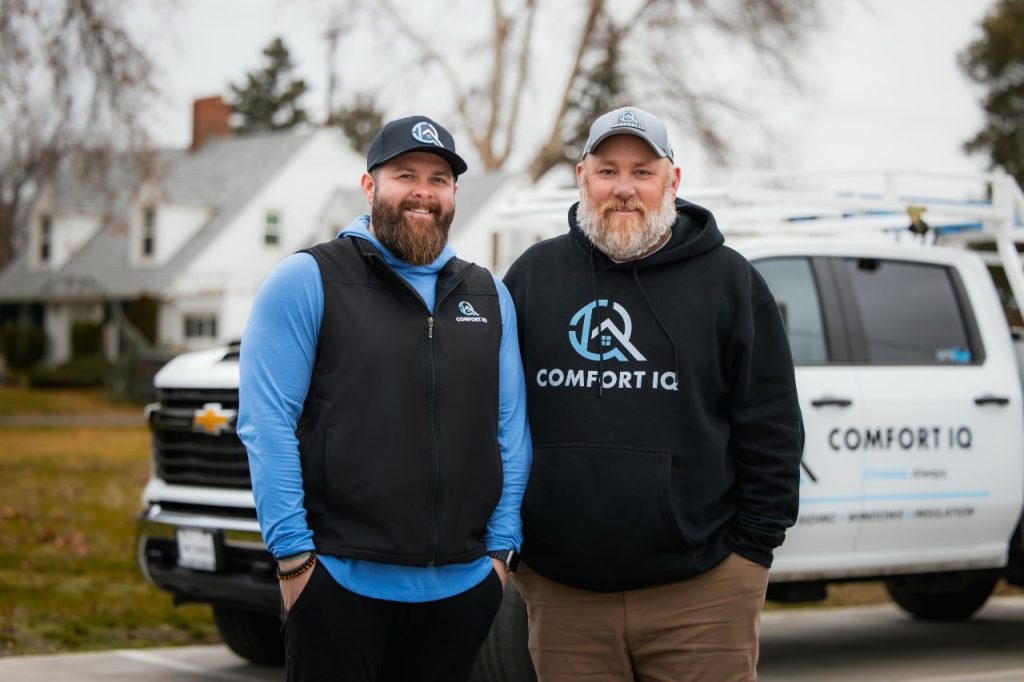
That’s where Comfort IQ makes the difference. Our roofers build roofing systems tuned to the Tri-Cities: ventilation that cools attics, underlayments that resist heat and dust, and installation practices designed for real eastern Washington weather. It’s a long-term investment in comfort, protection, and peace of mind.
Ready for a roof that lasts longer and performs better in the Tri-Cities climate? Schedule a free consultation with Comfort IQ, and let us help you choose the right material for your home and budget. Reach out now!