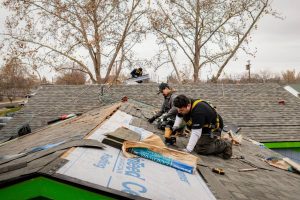
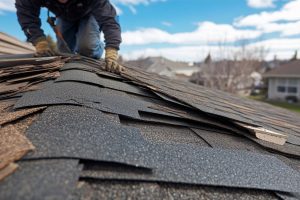
Storms can pass through quickly, but the damage they leave behind often lasts much longer. High winds, hail, heavy rain, and flying debris can take a serious toll on your roof. Some damage is easy to spot right away, while other issues remain hidden until roof leaks or structural problems appear.
For homeowners, the aftermath of severe weather can feel overwhelming. You may not know whether your roof needs minor repairs or a full roof restoration. You may also wonder how quickly you need to act or what steps to take first.
In this guide, we will explain:
- How to identify warning signs of roof damage after a storm
- What the roof restoration process involves
- How to choose experienced storm damage repair contractors who can help protect your home
How Severe Weather Threatens Roof Integrity
Your roof is designed to withstand changing weather conditions, but severe storms push roofing materials to their limits. Even a newer roof can sustain damage from strong winds, hail, heavy rain, and falling debris.
Storms create multiple points of stress on a roofing system. Wind can loosen shingles and expose underlayment. Hail can weaken protective surfaces. Heavy rain can force water into vulnerable gaps. Once the roofing system is compromised, moisture intrusion becomes a serious concern.
According to the Insurance Information Institute, wind and hail damage account for a large percentage of homeowners insurance claims in the United States each year. Quick identification and storm-damage roof repairs help prevent problems from spreading into the attic, insulation, drywall, or framing.
Common Types of Storm Damage
Roof storm damage does not always look the same. Different weather events affect roofing materials in different ways, which is why a thorough inspection matters after severe weather.
Wind Damage
Strong wind can lift shingles, loosen flashing, and expose the layers beneath your roof. Common signs of wind damage include:
- Missing shingles
- Curling or lifted shingles
- Exposed roofing nails
- Loose flashing around vents and chimneys
- Debris accumulation in gutters
Even a few missing shingles can create a vulnerable opening for water infiltration. Storm damage roof repair often begins by replacing damaged materials before moisture reaches the roof deck.

Hail Damage
Hail creates impact damage that may not always be visible from the ground. Depending on hail size and wind speed, roofing materials can crack, dent, or weaken. Signs of hail damage may include:
- Granule loss on asphalt shingles
- Circular dents or bruises
- Cracks in shingles or tiles
- Damaged vents, flashing, or gutters
- Soft spots when walking on the roof
Granules protect shingles from UV exposure and weathering. When hail removes this protective layer, the roof becomes more vulnerable to faster aging and deterioration.
Debris Impact
Storms often bring down tree limbs, branches, and other debris that can strike roofing materials. Debris impact may cause:
- Punctures in shingles or membranes
- Broken roof tiles
- Damaged gutters or fascia
- Cracked flashing
- Structural stress in isolated sections
Heavy debris can also create hidden roof damage beneath the visible surface.
Water Infiltration
Rain itself may not damage a healthy roof, but once storm-related vulnerabilities exist, water can enter quickly. Water infiltration may lead to:
- Ceiling stains
- Mold growth
- Insulation damage
- Wood rot
- Interior leaks
When moisture enters your roofing system, storm damage roof repair becomes urgent because water continues to spread beyond the original entry point.
Signs of Storm Damage
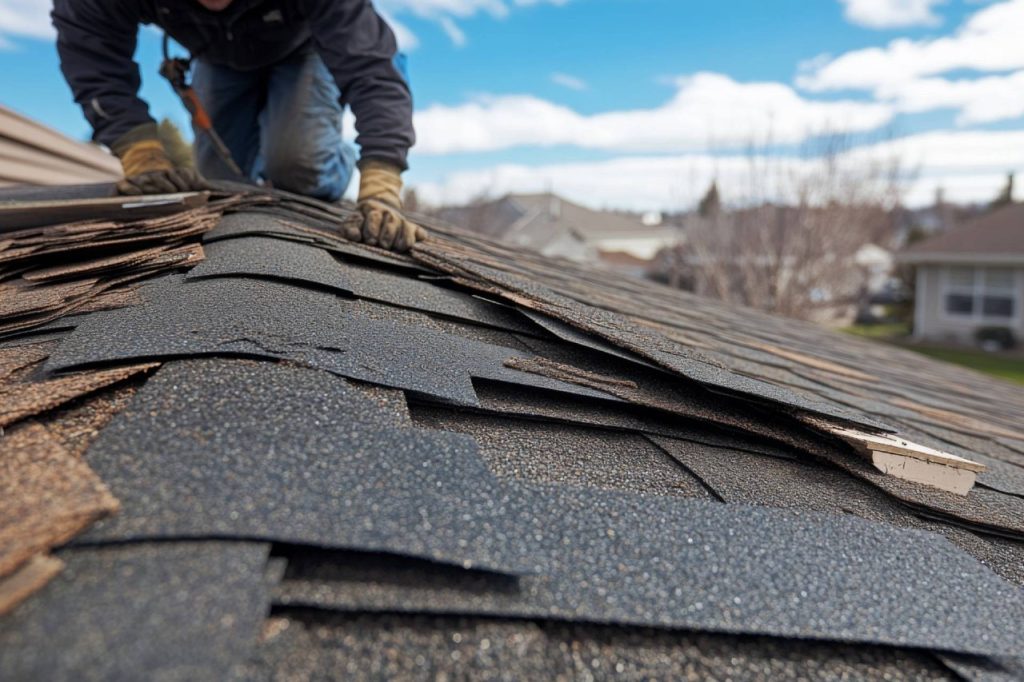
Some storm damage is obvious, while other problems remain hidden for weeks or months. Homeowners should inspect their property after major weather events and look for warning signs.
Visible Exterior Damage
Start by walking around your home and looking at the roof from ground level. Watch for:
- Missing shingles
- Uneven roof lines
- Fallen branches or debris
- Detached flashing
- Sagging sections
- Granules collecting near downspouts
If you notice visible roof changes after severe weather, professional storm damage roof repair may be necessary.
Missing or Broken Shingles
Shingles protect your home from water and environmental exposure. Missing, cracked, or curled shingles create openings that allow moisture to penetrate the roofing system.
Storm damage repair contractors often identify loose shingles that appear secure but no longer seal properly against rain or wind.
Interior Warning Signs
Damage inside your home may signal roofing problems above. Interior signs include:
- Water stains on ceilings or walls
- Peeling paint
- Damp attic insulation
- Mold odors
- Visible roof leaks during rainstorms
Interior warning signs often indicate that moisture has already entered the roofing system. Roof restoration becomes more important when leaks begin affecting indoor spaces.
Why Fast Action Matters
Delaying storm damage roof repairs can make minor issues significantly worse. Roofing damage rarely stays isolated for long.
1. Damage Escalates Quickly
A small opening in the roof can grow during the next storm. Wind may lift weakened shingles further, while rain pushes moisture deeper into roofing layers. What begins as a minor repair can become a larger roof restoration project if left untreated.
2. Water Infiltration Leads to Mold and Rot
Moisture trapped in attic spaces or insulation creates an ideal environment for mold growth.
The Environmental Protection Agency notes that mold can begin growing within 24 to 48 hours in damp conditions. Delayed roof repair following storm damage may lead to indoor air quality concerns and structural deterioration.
3. Insurance Timelines Matter
Many insurance companies require prompt reporting after storm damage.
Waiting too long may complicate claims or raise questions about whether additional damage resulted from neglect rather than the original storm. Fast inspections and documentation support a smoother claims process.
The Importance of a Professional Roof Inspection
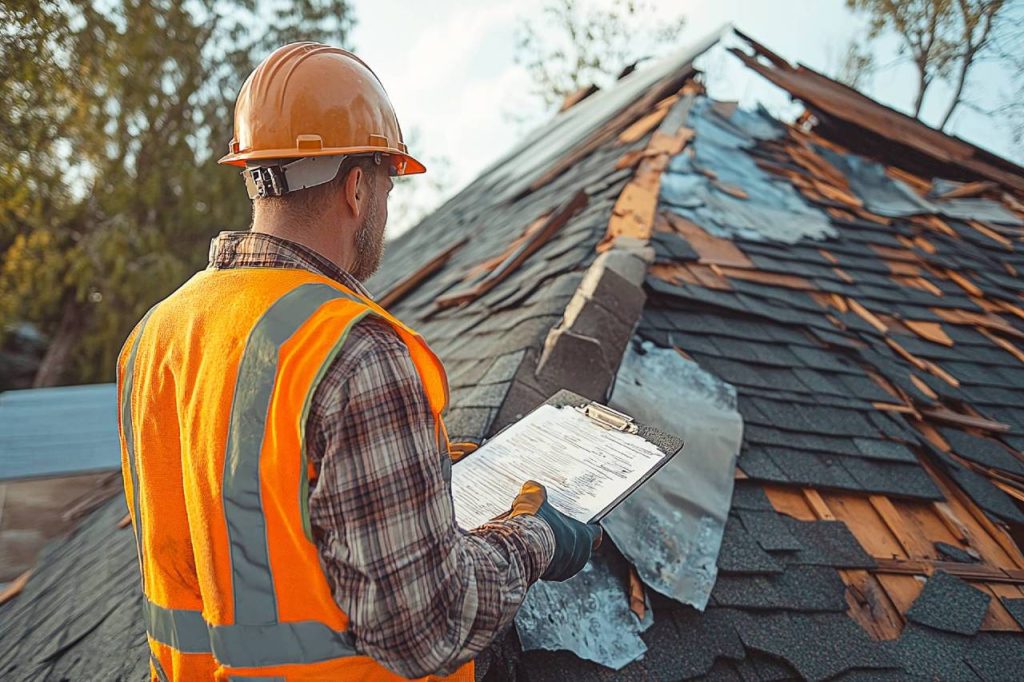
After a storm, a professional inspection provides clarity about your roof’s condition. Storm damage repair contractors know how to identify visible issues as well as hidden problems that homeowners may miss.
Comprehensive Assessment
A professional roof inspection looks beyond surface-level damage. Contractors assess how storms may have affected the full roofing system, including vulnerable areas that are not always visible from the ground.
A thorough inspection may include:
- Shingle evaluation
- Flashing inspection
- Gutter assessment
- Roof deck review
- Attic moisture inspection
- Structural integrity evaluation
Professionals also understand how storm patterns affect roofing systems and where damage is most likely to appear.
Documentation for Insurance Claims
Insurance providers often require detailed proof of storm-related damage before approving repairs. Storm damage repair contractors document:
- Photos of damaged areas
- Measurements of affected sections
- Written inspection findings
- Material damage reports
Clear documentation strengthens your claim and helps support faster approval.
Repair vs. Replacement Evaluation
Not every damaged roof requires replacement. A professional inspection helps determine whether targeted storm damage roof repair is enough or if roof restoration or replacement offers better long-term protection.
Factors that influence repair decisions may include:
- Age of the roof
- Severity of storm damage
- Extent of water infiltration
- Structural condition of roofing materials
A professional evaluation gives homeowners a better understanding of the safest and most cost-effective path forward.
The Roof Restoration Process
Roof restoration involves more than patching visible damage. The process addresses both immediate concerns and long-term performance.
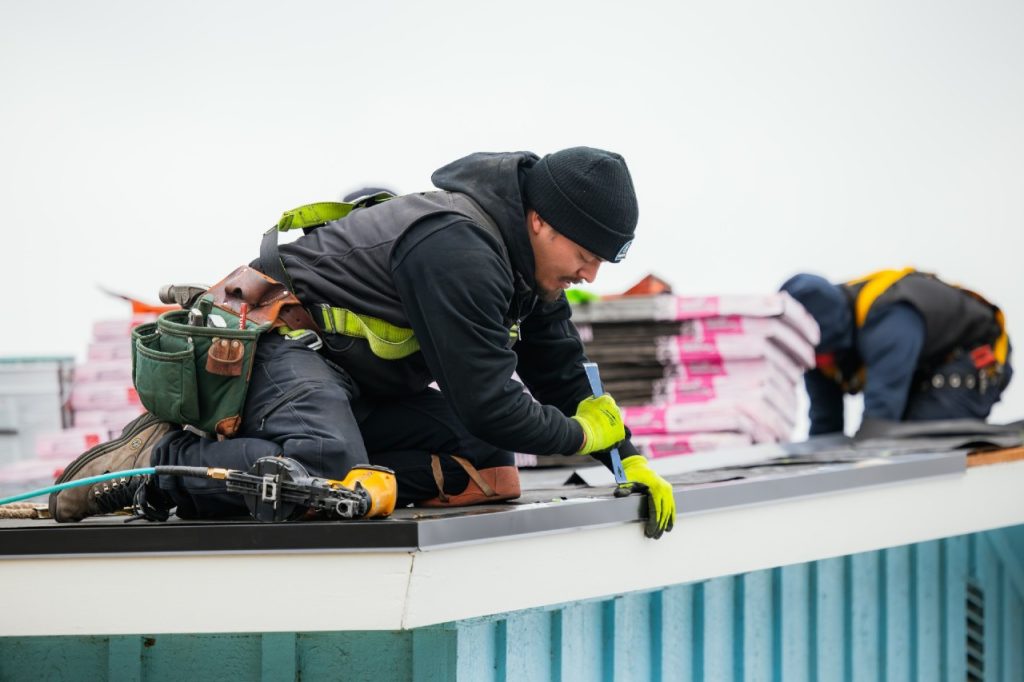
1. Emergency Protection
The first step often includes temporary measures to stop additional damage. Emergency services may include:
- Roof tarping
- Leak sealing
- Debris removal
- Temporary weather barriers
These steps reduce water intrusion while repair planning takes place.
2. Repair Methods Based on Damage Type
Different storm-related issues require different repair strategies. Common storm damage roof repair methods include:
- Replacing missing shingles
- Repairing flashing
- Sealing leaks
- Reinforcing roof decking
- Replacing damaged underlayment
- Correcting drainage issues
Roof restoration focuses on bringing the roofing system back to reliable performance.
3. Timeline Expectations
Repair timelines depend on the severity of damage, weather conditions, and material availability. Minor repairs may take one day, while larger roof restoration projects can require several days or longer.
Storm damage repair contractors should provide a clear timeline and communicate each stage of the process.
Working with Insurance After Storm Damage
Insurance claims can feel stressful, especially if you are navigating the process for the first time. The right contractor can simplify the experience.
1. Document Damage Immediately
After a storm:
- Take photos of visible roof damage.
- Photograph interior leaks or stains.
- Record the date of the storm.
- Save any repair receipts or temporary protection costs.
Strong documentation supports your claim.
2. What Insurance Typically Covers
Many homeowners insurance policies cover storm-related roof damage caused by:
- Wind
- Hail
- Falling debris
- Sudden leaks from storm events
Coverage depends on policy details and the roof’s condition before the storm.
3. Contractor Support During Claims
Experienced storm damage repair contractors often assist homeowners by:
- Meeting insurance adjusters onsite
- Providing repair estimates
- Explaining damage documentation
- Clarifying repair recommendations
This support helps homeowners better understand repair needs and claim expectations.
Choosing Storm Damage Repair Contractors
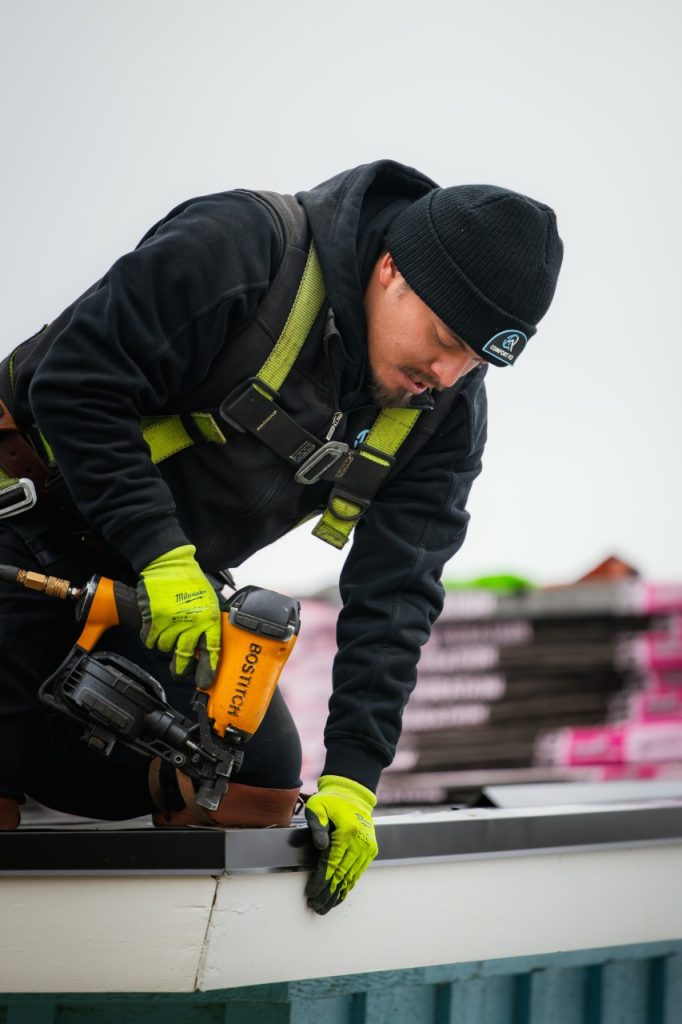
Selecting the right contractor is one of the most important decisions after severe weather.
Verify Credentials and Licensing
Always choose contractors who are:
- Properly licensed
- Fully insured
- Experienced with storm damage roof repair
- Familiar with local building codes
Qualified contractors help protect homeowners from poor workmanship and liability risks.
Look for Local Reputation
Local contractors understand regional weather patterns and roofing needs. Research:
- Online reviews
- Customer testimonials
- Local references
- Years in business
Reliable storm damage repair contractors often have a strong community reputation.
Watch for Scam Warning Signs
After major storms, homeowners may encounter out-of-town roofing crews offering quick fixes. Warning signs include:
- Pressure to sign immediately
- Requests for large upfront payments
- Lack of licensing information
- No local office or references
- Unrealistic pricing promises
Working with established professionals reduces risk and improves repair quality.
Temporary Protection While Waiting for Repairs
If repairs cannot begin immediately, temporary protection helps minimize damage.
Emergency Services Available
Professional roofing companies may provide:
- Emergency tarping
- Leak control
- Debris removal
- Temporary roof coverings
These services create a barrier against additional moisture intrusion.
What Homeowners Should and Should Not Do
Homeowners should:
- Photograph visible damage
- Protect belongings from leaks
- Contact storm damage repair contractors quickly
- Stay out of unsafe attic areas
Homeowners should avoid:
- Climbing onto a damaged roof
- Attempting complex repairs
- Ignoring active leaks
- Waiting for visible damage to worsen
Storm damage roof repair is safer and more effective when handled by trained professionals.
Prevention After Repairs
Storm recovery does not end after repairs are complete. Ongoing maintenance helps extend roof life and reduce future risks.
Schedule Regular Roof Inspections
Annual inspections help identify wear before severe weather causes major issues. Routine inspections can uncover loose shingles, aging flashing, drainage problems, and ventilation concerns.
Maintain Gutters and Drainage
Clogged gutters contribute to water backup and roof stress. Regular gutter cleaning supports proper water flow and reduces moisture buildup.
Understand Warranty Coverage
Roof restoration often includes workmanship warranties and material coverage. Review warranty terms carefully so you understand coverage periods, maintenance requirements, repair limitations, and manufacturer protections.
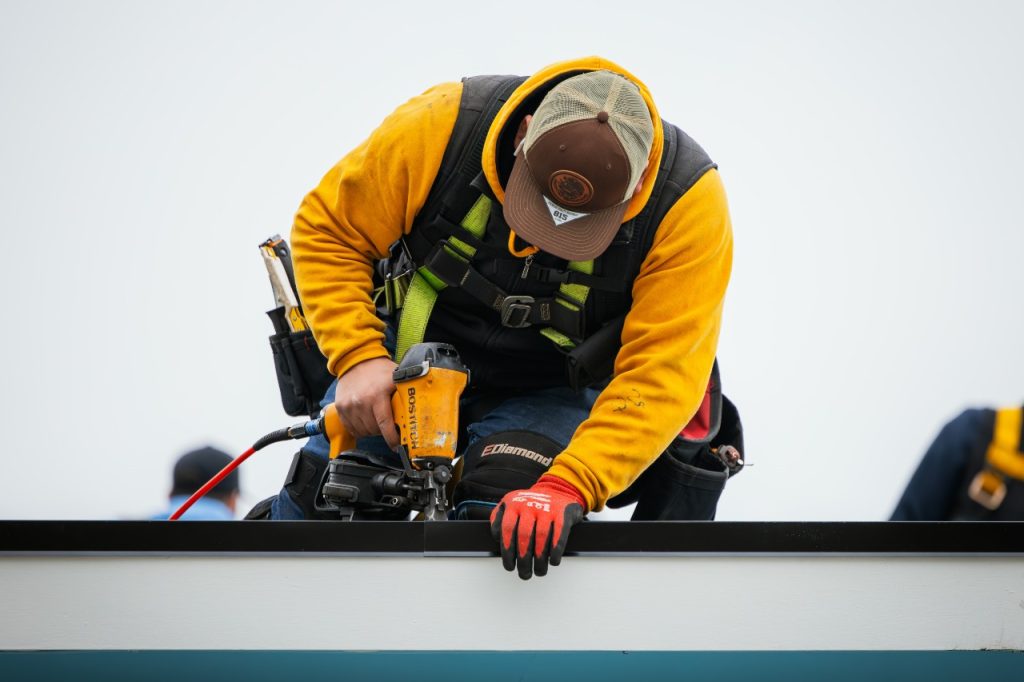
Why Homeowners Trust Comfort IQ
Storm damage requires fast action, experienced assessment, and reliable workmanship.
Comfort IQ helps homeowners respond quickly after severe weather while providing honest guidance throughout the repair process. When you work with Comfort IQ, you can expect:
- Rapid Emergency Response
- Experience with Insurance Claims
- Quality Roof Restoration That Lasts
- Local Expertise and Commitment
Comfort IQ understands regional weather patterns, roofing challenges, and the repair solutions homeowners need after severe storms.
Storm Damage? Don’t Wait—Get a Fast, Free Roof Inspection from Comfort IQ!
Recent severe weather can cause more damage than you realize. Contact Comfort IQ today for a comprehensive storm damage roof inspection.
Our experienced team will assess all damage, document everything for your insurance claim, and provide an honest evaluation of your roof restoration needs. We work directly with insurance companies and provide emergency services to protect your home from further damage.Don’t let small problems become major disasters. Fast action saves money and helps protect your home. Call now for your storm damage inspection and discover why homeowners trust Comfort IQ as their go-to storm damage repair contractors!