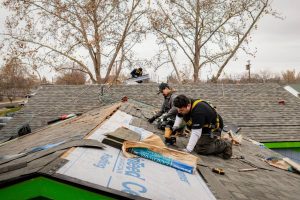
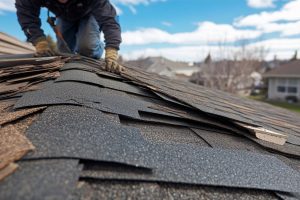
A neglected roof is a quick way for homeowners in the Tri-Cities to lose thousands, thanks to small cracks, missing shingles, and tiny roof leaks that simply aren’t addressed early enough.
They don’t look like much at first, especially when no one is inspecting. Unchecked, they’re likely to turn into remarkably fast-damaging water leaks, mold, and a surprise replacement you didn’t ask for and didn’t expect.
Regular roof inspections avoid this kind of rapid-onset headache, turning your home’s roof into something you manage proactively instead of only thinking about it when water is landing in your lap.
Below, we’ll look at what actually takes place during a roof inspection, so you can see the inherent value in having them done routinely. We’ll also cover early detection methods/signs, protecting your home and money, and most importantly, your peace of mind under a sturdy, protective roof.
- Catch minor roof damage before it spreads
- Extend the life of your roof and delay a new roof installation
- Support smoother insurance claims with solid documentation
- Keep your property safer, more efficient, and in good working order
The Hidden Cost of Ignoring Your Roof

Most homeowners don’t put much thought into their roof. It’s not something you look at from day to day, and it certainly doesn’t eclipse our everyday tasks, focus, and events.
Unfortunately, by the time the signs stand out enough to become noticeable, hairline cracks are formed and expanding, asphalt shingles are worn out, or the rubber boots are deteriorated around pipes.
A qualified roof inspector will spot these issues long before they become the biggest current problem in your life, before the underlying roof damage turns into a bank-breaking repair. In the Tri-Cities area, where hot summers, strong winds, dust, and sizeable temperature swings are normal, your roof endures constant stress.
However, it’s not always immediately visible.
Regular roof inspections make your roof a manageable system, spotting early issues and helping you save thousands in the long-run. In other words, proactive roof maintenance truly pays off in the long run. According to EcoWatch, low-end roof repairs cost $150 to $350 (where you want to be), while high-end costs range from $1,500 to $7,000 (where you definitely don’t want to be).
What Happens During a Professional Roof Inspection?
If you’ve never had a professional roof inspection, you may have no idea what to expect. A good roof inspector does far more than just show up, glance at your roof, and head home for the day. They’ll typically cover several critical areas.
1. Shingles and Surface Materials
A professional roof inspector will look for missing shingles, curling edges, granule loss on asphalt shingles, and any exposed underlayment that leaves your roof particularly vulnerable to weather patterns in the Tri-Cities.
2. Flashing and Penetrations
Penetrations include several sections of your roof, like chimneys, skylights, and vents. Flashing and sealant are common weak points as well, and an inspector will check these areas over thoroughly, looking for gaps, rust, and lifted edges that ultimately end in interior leaks.
3. Gutters and Drainage
What does a gutter and the drainage system have to do with the actual rooftop? Quite a lot, actually. Clogged gutters, debris-filled valleys, and poor drainage trap moisture on the roof and speed up deterioration. Your roof inspector will check that the water can move off the roof and away from the house as it should.
4. Assess Ventilation and the Attic
Proper airflow through the attic is essential because it keeps temperatures and moisture in check. A professional inspector will inspect the attic space, looking for insulation issues, hot spots, or early signs of water damage.
5. Inside the Home (When Necessary)
Stains on the ceiling, peeling paint, or soft spots in the interior can all be subtle signs of hidden roof leaks. A thorough inspection connects what is happening outside with what you see inside.
After everything is properly inspected, a reputable roofing contractor will provide clear notes or photos covering your roof’s condition, along with any necessary repairs they recommend.
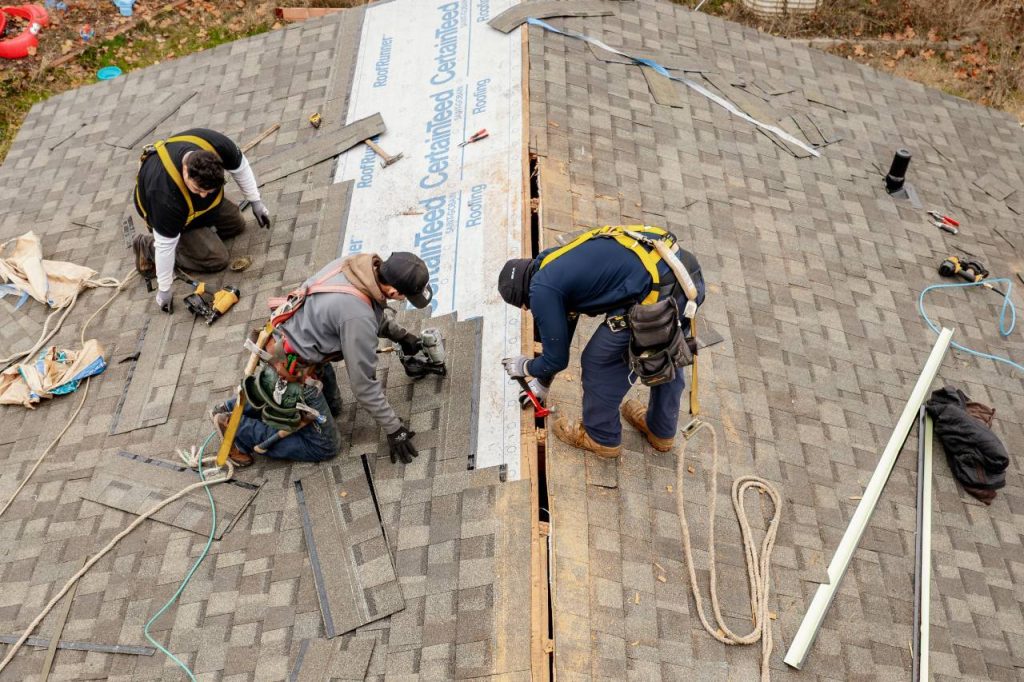
Common Problems Found During Roof Inspections
Even roofs that look perfectly fine from the ground could be hiding something nefarious, and roof inspections in the Tri-Cities frequently turn up surprise issues.
- Missing shingles or loose shingles lifted by the wind
- Surface wear and tear, along with granule loss on older asphalt shingles
- Cracked or rusted flashing around the vents or chimney areas
- Soft spots where moisture has started to impact the decking
- Blocked gutters and valleys filled with debris
- In the winter months, early ice dams form in shady areas along the eaves
On their own, many of these issues are relatively simple to fix, thankfully. However, when they’re ignored, they allow water damage to spread to the decking, into the attic, insulation, and even the framing of the house. At this point, the roof repair costs begin to surge exponentially.
How Early Detection Prevents Major Repairs
The biggest financial benefits of regular roof inspections come from catching problems in their early stages. A lifted shingle edge or cracked flashing is a quick, low-cost repair for a professional roofing contractor today. Wait a few seasons, on the other hand, and that shingle edge or cracked flashing allows rot to take hold, eventually damaging insulation and the interior with water leaks.
Early roof inspections and roof maintenance tips from roofing professionals help you:
- Prevent water from sneaking in and feeding mold growth
- Avoid structural issues like rotted decking or sagging sections
- Protect your attic and interior finishes from hidden leaks
- Cut down on emergency calls after severe weather or storms
Instead of budgeting for a surprise replacement, invest in small, predictable repairs that extend your roof’s condition and lifespan, thanks to regular roof inspections.
Seasonal Roof Maintenance Tips for Eastern Washington

Here in Eastern Washington, roof inspections and seasonal checkups work wonders together. A few climate-aware habits go a long way for both your peace of mind and your bank account.
Spring & Summer
Inspect after an extremely windy day, especially if periodic gusts are extreme. Watch for UV wear on south and west-facing slopes, where asphalt shingles can age faster in the intense sun. Make sure your gutters and downspouts are clear before summer thunderstorms arrive.
Fall & Winter
Clear leaves and debris from valleys and gutters periodically, so water doesn’t back up under your shingles. Throughout snow and freeze-thaw cycles, keep an eye out for ice dams along the eaves and overhangs. Schedule roof inspections after any major wind or snow events to look for hidden roof damage.
Simple habits like these, combined with annual roof inspections, help Tri-Cities homeowners stay ahead of the curve in terms of weather-related issues.
The Financial Impact of Neglected Roof Damage
From a strictly financial standpoint, roof inspections are one of the best deals you can make for home maintenance. The average costs of minor repairs (replacing a shingle here or there, resealing flashing, clearing potentially problematic areas, etc.) are a fraction of what you’ll pay for a partial or full roof replacement.
Worse, neglect complicates insurance coverage. Your insurance company expects you to keep your home’s roof in good shape, and they may push back on a warranty claim or storm-related filing if there’s clear evidence of long-term neglect.
Regular documentation from professional roof inspections supports your case, showing that you acted responsibly from the beginning, addressing issues as they arose.
In the long run, having your roof inspected on a regular schedule is about protecting your money, not just your shingles and flashing.
How Often Should You Schedule Roof Inspections?

How often you need to schedule roof inspections depends on several things, like the age of your roof, the materials used, and how often your property deals with severe weather.
A practical roof maintenance schedule doesn’t have to be complicated. For most homeowners, a few well-timed inspections throughout the year can prevent minor wear from turning into major repairs. As a general rule, you should schedule inspections:
- Once a year for routine wear and tear
- After severe weather events such as heavy snow, high winds, or hail
- More frequently if your roof is nearing the end of its lifespan
- Before buying or selling a home
Keep in mind that in a real estate transaction, buyers, sellers, and home inspectors all benefit from a clear report on the roof’s condition. A recent roof certification from roofing professionals can even be a solid selling point.
Roof Inspections and Energy Efficiency
Eastern Washington’s summer months can get pretty warm, and a poorly performing roof will trap heat and have your A/C unit working overtime to keep up. When a roofing contractor comes out to inspect, they will pay close attention to your attic ventilation, intake, and exhaust vents, and how well your insulation is performing.
Fixing any ventilation issues will reduce heat build-up in the attic, help your HVAC system work more efficiently (another area that will save you a lot of money in repairs and replacement), and lower long-term utility costs.
In other words, a roof inspection doesn’t just protect you from water damage or rusty flashing; it also improves your home’s interior comfort and saves you some money on the power bill.
Why DIY Inspections Aren’t Enough
There’s absolutely nothing wrong with walking your property and doing a quick visual inspection from the ground. In fact, watching for obvious signs, like missing shingles, is a smart habit to fall into.
But DIY checks, outside of being a roofing professional yourself, have their limits.
Climbing onto the roof is a safety risk, and even when you’re up there, it’s easy to overlook early warning cues that an experienced roof inspector will recognize immediately. They know what to look for, even if the signs are subtle.
You also don’t receive the same written documentation that a professional roof inspector provides, documentation that may be very valuable if you’re ever dealing with an insurance company that’s dragging its heels. DIY inspections should supplement, not replace, regular roof inspections from qualified roofing professionals.
Choosing a Qualified Roofing Contractor

The quality of your roof inspections is only as good as the person performing them. When hiring a roofing contractor in the Tri-Cities, there are a few things you should look for.
Licensed and Insured
A reputable professional roofing contractor is going to be able to back up their profession with the requisite documentation and certifications. Shady timeframes, reluctance to show paperwork, high-pressure, and sluggish customer service responses are suspect. A professional contractor protects both your house and their crew.
Clear and Transparent Reports
You should receive an understandable summary of your roof’s condition, including photos when it makes sense and is helpful, and straightforward recommendations for any necessary repairs.
No-Pressure Approach
A trustworthy contractor or company will explain your options, help you plan, and won’t push you into a new roof if your existing roof is still in good shape, only needing proper maintenance moving forward.
Comfort IQ’s own process emphasizes detailed inspections, honest communication, and roof solutions that are tailored to Eastern Washington’s unique climate.
Schedule Your Roof Inspection Today
Making roof inspections a part of your regular home maintenance routine is a simple way to protect your property value and avoid surprising repair costs. Instead of waiting for a leak, stain, or sagging roof section to appear, choose to address the issues while they’re small, manageable, and affordable.
Over time, this is a proactive approach that will easily save you thousands of dollars in avoided repairs and delayed replacement.
Schedule a professional roof inspection with Comfort IQ to get a clear picture of your roof’s condition, identify potential issues early, and protect your Tri-Cities home from costly roof damage down the road. Reach out today to schedule with our team of experienced roofing professionals and keep your home’s roof working and protecting the way it should for years to come.