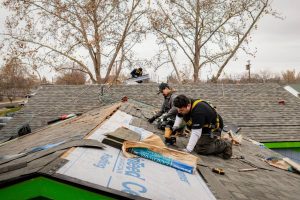
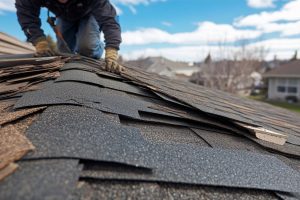
A small drip typically doesn’t stay small for long. What starts as a minor issue can rapidly turn into structural decay, mold growth, and thousands in repairs.
That’s why roof leak detection is an incredibly important way to protect your entire home.
In areas like the Tri-Cities, where seasonal weather swings can stress roofing systems, staying ahead of roof leaks can save you from expensive surprises.
The good news? Many warning signs show up early if you know where to look.
Let’s walk through how to spot trouble, what causes it, and when it’s time to bring in professional roof leak repair support.
What Causes Roof Leaks in the First Place?
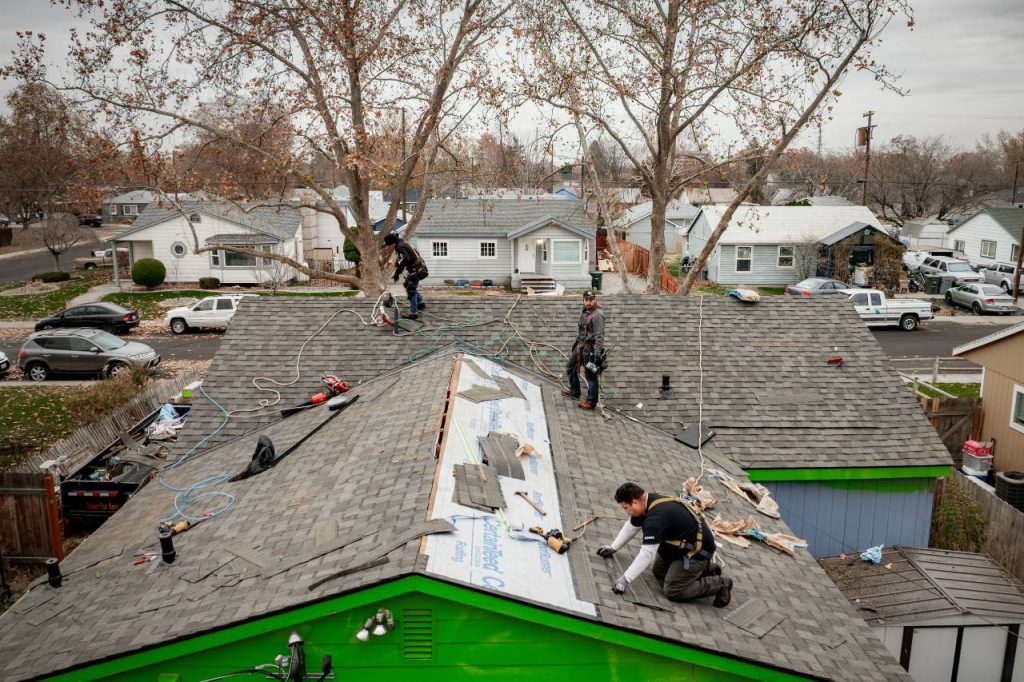
Most roof leaks don’t come out of nowhere. They’re usually the result of wear, weather, or overlooked details.
Here are the most common culprits:
- Aging shingles: Over time, shingles lose their protective granules and become brittle
- Storm damage: High winds, hail, and debris can loosen or puncture roofing materials
- Flashing failures: The thin metal around chimneys, vents, and valleys can crack or lift
- Poor installation: Even newer roofs can develop issues if corners were cut
- Clogged gutters: Water backs up and seeps under roofing materials
- Ventilation problems: Moisture buildup inside your attic can weaken the roof deck
- Ice dams (in colder months): Trapped water works its way under shingles
Even a small leak in one of these areas can lead to bigger concerns if it’s ignored.
Interior Signs of Roof Leaks You Should Never Ignore
Your home often gives subtle clues before a leak becomes obvious. Catching these early is key to effective roof leak detection and more affordable fixes.
Watch for:
- Water stains on ceilings or walls (often yellow or brown rings)
- Peeling paint or bubbling drywall
- Mold or mildew growth, especially in corners or near vents
- Musty odors that don’t go away
- Sagging areas in ceilings
A single wet spot might not seem urgent, but it’s often just the visible portion of a much larger issue behind the surface.
Red Alert: Exterior Warning Signs You Can Spot From the Ground
You don’t need to climb onto your building’s roof to notice early damage. A visual check from the ground can reveal a lot.
Look for:
- Missing, curled, or cracked shingles
- Damaged or rusted flashing
- Debris buildup in valleys
- Clogged or overflowing gutters
- Bent or broken roof vents
If your home has flat roofs or low-slope sections, these areas are especially prone to pooling water and hidden leak damage.
Safe DIY Roof Leak Detection Methods
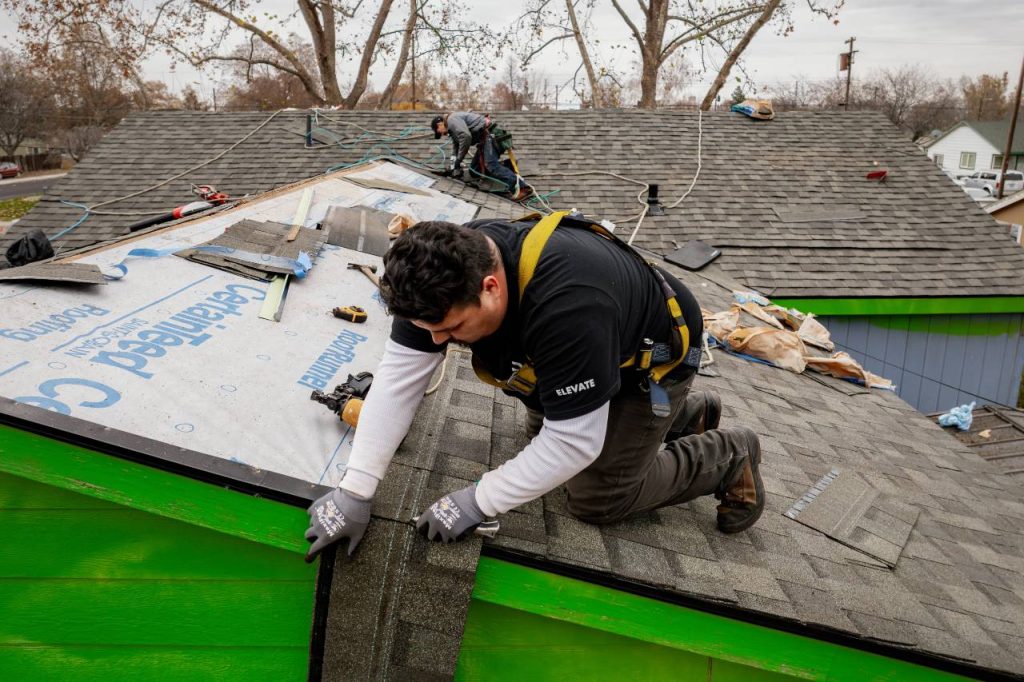
Homeowners can take a proactive role in detecting roof leaks without putting themselves at risk. Here are a few safe methods:
1. Attic Inspection
Head into your attic during the day. Look for:
- Damp insulation
- Dark stains on wood beams or the roof deck
- Signs of mold or mildew
2. Flashlight Check After Rain
After a storm, turn off attic lights and use a flashlight. Reflections on damp surfaces can help with leak detection.
3. Look for Daylight
If you see sunlight coming through the roof boards, water can get in, too. These simple steps can help identify a small leak before it turns into significant damage.
When NOT to Attempt DIY Inspection
Some situations aren’t worth the risk.
Avoid DIY inspections if:
- Your roof is steep or multi-story
- Roofing materials are slippery or damaged
- Weather conditions are unsafe
- You’re unsure about structural stability
In these cases, our main concern is safety. Professional teams have the proper equipment, training, and experience to handle detecting roof leaks without putting themselves at risk.
Ultimately, choosing expert roof leak detection helps you avoid injury while making sure the problem is identified accurately the first time.
The Hidden Costs of Ignoring Roof Leaks
Delaying roof leak repair can get expensive fast. Unchecked roof leaks can lead to:
- Structural wood rot
- Mold remediation costs
- Ruined insulation
- Electrical hazards
- Interior damage to walls, flooring, and ceilings
- Reduced home value
What starts as a minor issue can escalate into significant damage affecting multiple systems in your home. In fact, according to Consumer Affairs, water damage is one of the most common and potentially destructive forces homeowners face, compromising almost 24% of all U.S. homeowner insurance claims.
How Professionals Handle Roof Leak Detection

When the source of a leak isn’t obvious, professionals use advanced tools to pinpoint the problem.
Modern Leak Detection Methods Include:
- Infrared scanning: Detects temperature differences caused by moisture
- Moisture meters: Measure water content in materials
- Electronic leak detection (ELD): A precise method for locating leaks
With electronic leak detection, technicians may use an electrically conductive primer on the surface and perform low-voltage testing to track the exact entry point of water. This is especially useful for large roofs and commercial systems.
ELD testing is one of the most accurate forms of leak detection. The device allows technicians to identify issues without tearing into large sections of roofing.
Some advanced systems even allow for continuous monitoring, helping detect problems early before visible damage occurs or a new roof needs to be installed.
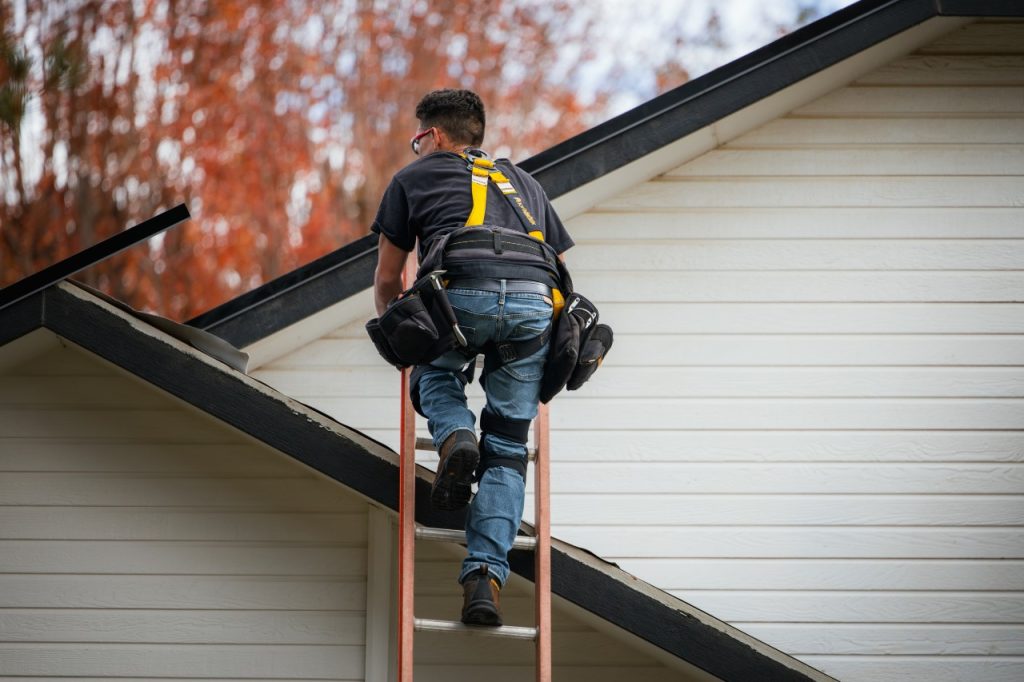
The Professional Roof Leak Repair Process
Once the issue is identified, roof leak repair typically follows a structured approach:
- Inspection and diagnosis using advanced leak detection tools
- Damage assessment to determine repair scope
- Removal of damaged materials
- Repair or replacement of affected areas (shingles, flashing, underlayment)
- Sealing and waterproofing to prevent future issues
- Final inspection to confirm the leak is resolved
This process makes sure the problem is fixed at its source, rather than just patched temporarily.
Temporary Fixes While You Wait for Repairs
If you’re dealing with active roof leaks, you may need to act quickly to limit damage.
Short-term steps include:
- Placing buckets or containers under drips
- Moving valuables away from affected areas
- Using a tarp to cover exposed sections (if safe to do so)
- Relieving pressure from bulging ceilings by carefully draining water
These are temporary solutions, not replacements for proper roof leak repair.
How to Prevent Future Roof Leaks
Prevention is always easier (and cheaper) than repair. Here’s how to stay ahead of roof leaks:
- Schedule regular roof inspections
- Clean gutters and downspouts
- Address minor damage quickly
- Maintain proper attic ventilation
- Trim overhanging branches
Routine roof leak detection checks can catch problems early before they escalate.
Seasonal Considerations in the Tri-Cities
Homeowners in the Tri-Cities experience a range of weather conditions that can take a toll on their roofs throughout the year.
Hot, dry summers can cause roofing materials to expand, dry out, and eventually crack. When temperatures drop in the winter and it snows, freeze-thaw cycles can create additional stress, allowing moisture to seep in and expand beneath the surface. Additionally, windstorms are a common concern, as strong gusts can loosen or lift shingles, creating new entry points for water.
Because of these shifting conditions, staying consistent with roof leak detection is especially important. Regular checks help catch small issues early, before seasonal changes turn them into larger problems.
Insurance and Documentation Tips
If roof leaks lead to damage, proper documentation can make a big difference. Be sure to:
- Take photos of visible damage
- Record when you first noticed the issue
- Keep receipts for inspections and repairs
- Contact your insurance provider early
Many policies require prompt action, so delaying roof leak repair could affect coverage. Always get a professional opinion on your roof’s health ASAP.
How Quickly Should Roof Leaks Be Fixed?
Short answer: immediately.
Even a slow drip can lead to hidden leak damage. According to Angi, water damage restoration averages about $3,863 per square foot and can easily escalate as moisture spreads, seeps into materials, and weakens your home over time.
If you suspect a leak, prioritize roof leak detection as soon as possible.
Repair vs. Replacement: What’s the Difference?
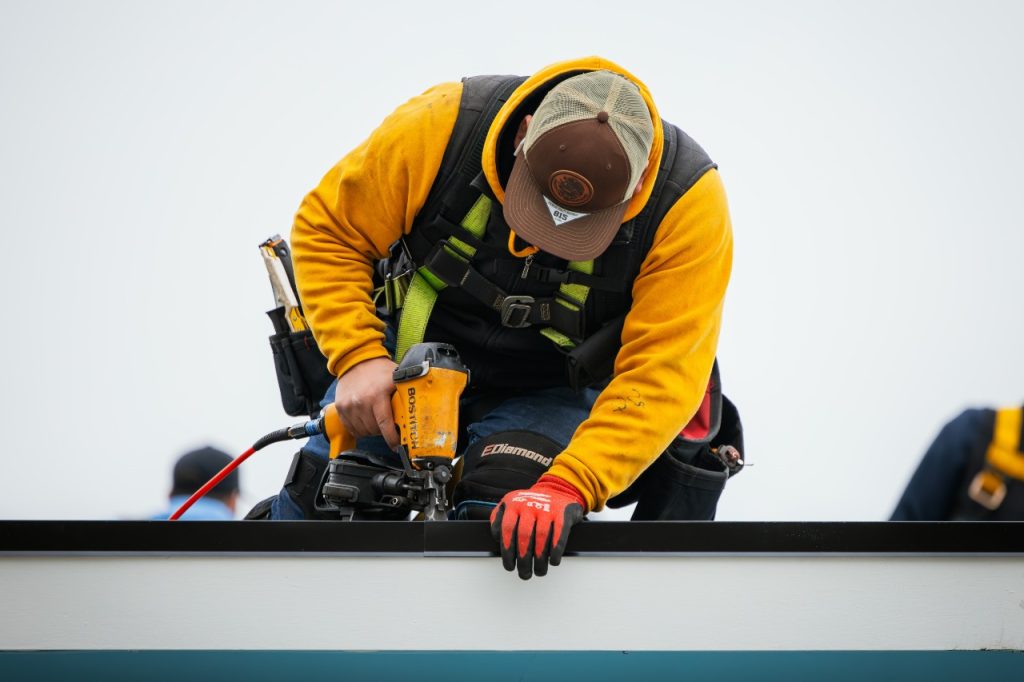
Not every roofing issue calls for a full replacement. The right approach depends on the extent of the damage, the age of your roof, and how widespread the roof leaks are.
A roof leak repair is usually the best option when the issue is isolated or caught early through proper roof leak detection. Problems like a few damaged shingles, loose flashing, or a single entry point causing a small leak can often be fixed quickly, especially on newer roofs.
Replacement, on the other hand, is typically recommended when roof leaks are widespread, recurring, or tied to deeper issues. If moisture has affected large sections of the roof deck or the roof is nearing the end of its lifespan, repairs may only offer a temporary fix.
A professional inspection and thorough leak detection will help determine whether a repair will hold or if replacement is the better long-term solution.
Questions to Ask a Roofing Contractor
Before hiring a person for roof leak repair, it helps to ask a few targeted questions so you understand exactly how they approach the job. Ask:
- What methods do you use for roof leak detection?
- Do you offer electronic leak detection or ELD testing?
- What’s the full scope of the repair?
- Will you document the issue for insurance purposes?
- How do you prevent future leaks?
These answers should give you a clearer picture of how thorough and transparent the contractor or company will be throughout the process. You’re not just hiring someone to patch a problem; you’re trusting them to properly handle roof leak detection and deliver a lasting roof leak repair solution.
Taking a few extra minutes to ask the right questions upfront can help you avoid misdiagnosis, incomplete repairs, and repeat roof leaks later in your home’s life.
Protect Your Home Before the Damage Spreads
Roof issues don’t fix themselves, and they rarely stay contained. The sooner you act, the more control you have over cost, damage, and disruption.
Concerned about a potential roof leak? Don’t wait for water damage to spread! Contact Comfort IQ Home today for professional roof leak detection and proven roof leak repair services that protect your home and your peace of mind. No guesswork, no unwanted surprises. Schedule your comprehensive roof inspection and catch small, problematic issues before they become costly disasters.